We know that the key equipment for producing charcoal is the charcoal briquetting equipment. After the raw materials are extruded and formed by this machine, we can see the desired end products very intuitively. However, briquetting is only one part of the entire charcoal production line, and briquettes machine is just one of all charcoal making machines. If you want to do Charcoal Briquettes, you also need other auxiliary equipment. So, in this article, we mainly talk about auxiliary charcoal making machines.
To Make Raw Wood Charcoal
If you need to make raw wood charcoal, in addition to using traditional earth kilns to make charcoal, you can also choose new carbonization furnace equipment.
The main raw materials for making raw charcoal are various types of trees. The quality of charcoal made from harder wood is relatively good. Wood blocks from wood furniture factories, scraps from flooring factories, and larger fruit shells (coconut shells) can be carbonized into charcoal.
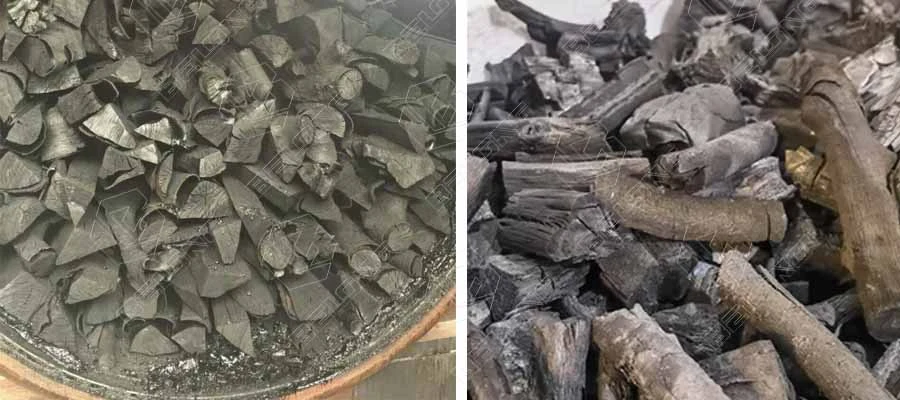
The earthen kiln gradually withdrawing from the stage: With the increasing global awareness of environmental protection, these traditional earth kilns are becoming increasingly rare. Why? This is because when the earth kiln is firing charcoal, the smoke is particularly large, polluting the environment. Another issue is that the carbonization time is too long, taking about 10-15 days. And the time for charcoal production is generally about 5-7 days.
Based on the above disadvantages, the new mechanism carbonization furnace has replaced the earth kiln and is receiving more support.
There are also two types of carbonization furnaces.
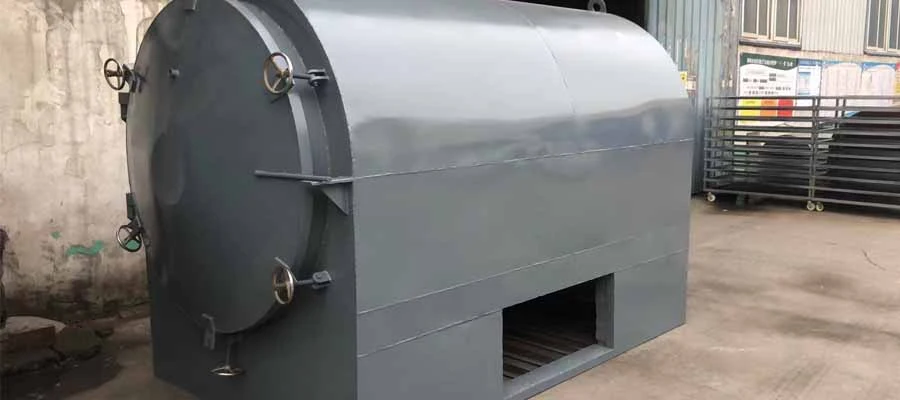
Horizontal Carbonization Furnace
This type of carbonization furnace has a variety of specifications, and customers can choose models with different production capacities according to their needs. If you want small household processing, it is recommended to use a small carbonization furnace. After all, the footprint is relatively small, the volume is also small, and it is simple and convenient to use. The advantage of a horizontal carbonization furnace is that it can recycle and reuse the combustible gas produced.
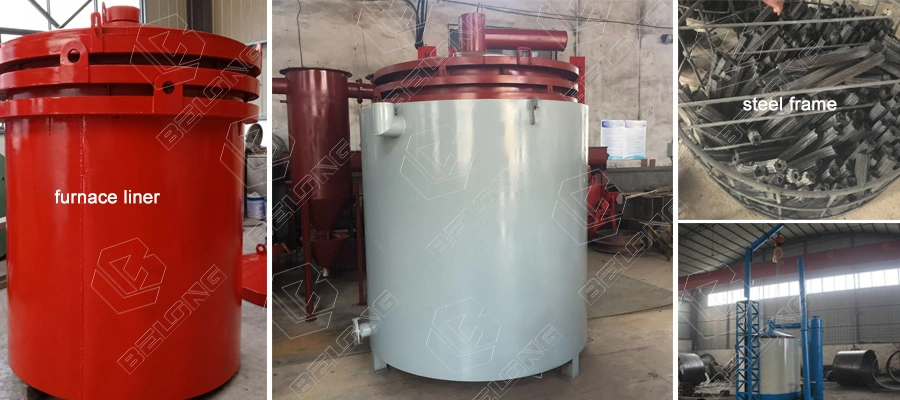
Vertial Hoisting Carbonization Furnace
This type of furnace can carbonize both raw wood materials and machine-made charcoal briquettes.
Its biggest feature is the continuous production of smokeless carbonization throughout the entire process. And a carbonization furnace can have multiple inner tanks. This can lead to multiple carbonizations in one furnace.
After a batch of carbonization is completed, the inner liner can be removed for cooling and the next batch of carbonization can continue. This cycle carbonization saves time. Charcoal production lines or large charcoal plants can consider using the vertical carbonization furnace.
To Make Charcoal Briquettes with Specific Shape
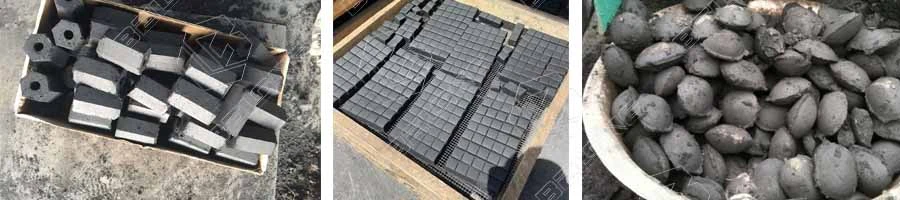
If the end product you want to make is not raw wood charcoal, but charcoal briquettes with a specific shape,you will need more auxiliary charcoal making machines.
The first case: If the raw materials are uncarbonized bamboo and wood materials, then the required auxiliary equipment are a carbonization furnace, a grinder, and a mixer.
The second case: If the raw materials are carbonized bamboo and wood materials, then the required auxiliary equipment are a crusher and a mixer
Carbonization Furnace
(See Part 1 for details)
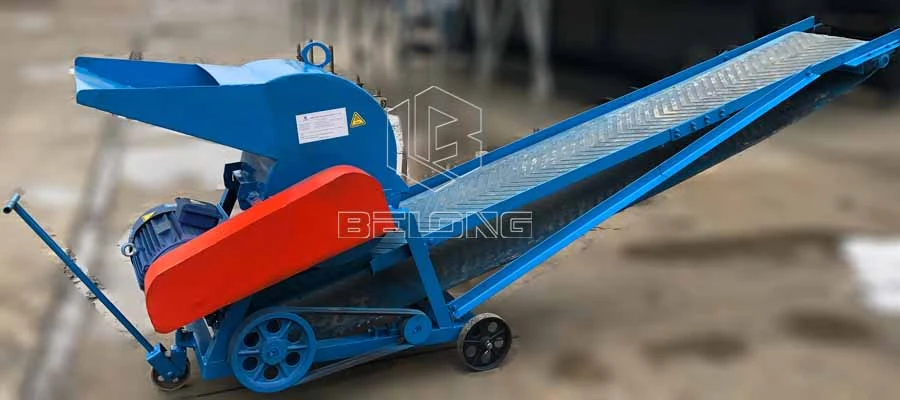
Charcoal Grinder
No matter what shape Charcoal Briquettes are made, this grinder will be required. Because it can crush large charcoal blocks or pieces into powder. To crush charcoal is an essential step in a charcoal production line. It has a small footprint, simple operation, high output, and is very practical.
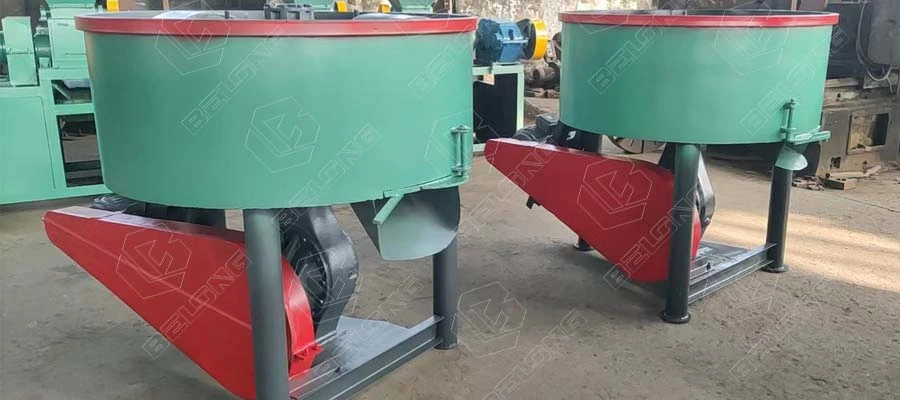
Charcoal Mixer
The same as a charcoal grinder, charcoal mixer is also an indispensable auxiliary charcoal making equipment. A production line that requires a charcoal grinder must also require a charcoal mixer.
The crushed charcoal powder can only be made into briquettes with certain shapes after they are thoroughly mixed with binder and water through a mixer.
To Produce Machine-made Wood Charcoal
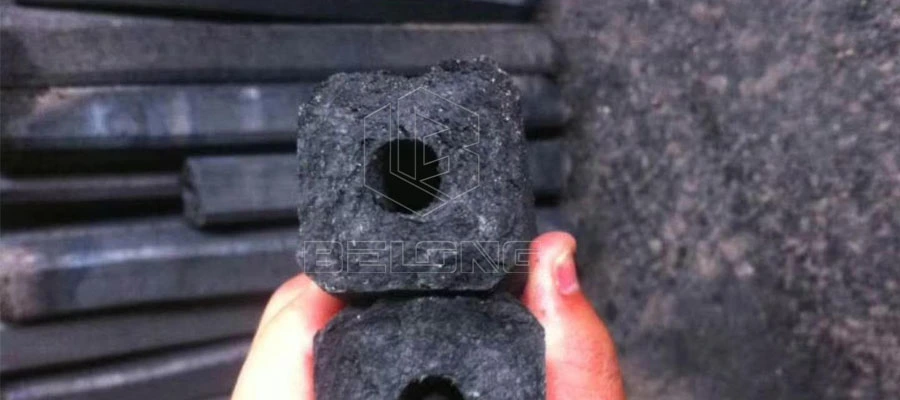
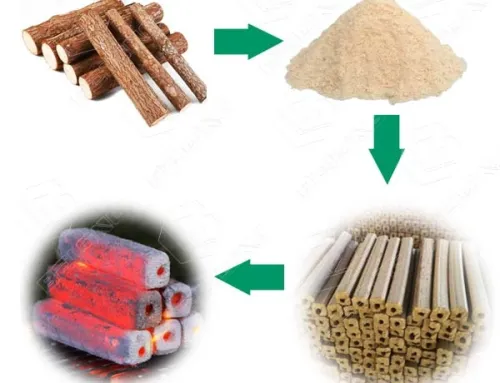
To produce machine-made wood charcoal, generally, first briquetting, then carbonization.
The briquettes machine used here is a sawdust briquette machine. Before briquetting, the raw materials need to be crushed and dried first. After briquetting, they will be finally carbonized.
So the auxiliary charcoal making machine we will use here is a wood crusher, a sawdust dryer, and a carbonization furnace (See Part 1 for details).
Wood Crusher
A wood crusher is a highly practical equipment. It is suitable for a wide range of raw materials, including wood, branches, and various wood processing waste. The size of the finished product ranges from 3mm to 20mm, which can meet different usage needs. The machine has a compact structure, small footprint, and is easy to operate.
This crusher machine has low cost but large output. It can be used as an auxiliary equipment for charcoal production, as well as for other wood processing plants.
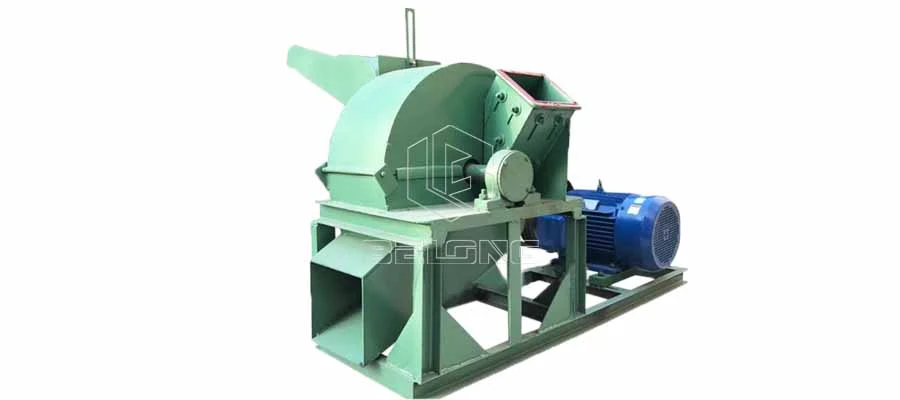
Materials such as sawdust, bamboo shavings, wood shavings, particles, rice husks, crushed shavings, branches, and wood chips larger than 5mm must be crushed.
Sawdust Dryer
To produce machine-made wood charcoal, the wood sawdust briquette machine has a requirement for the moisture content of the raw materials, which should be below 12%. If the raw materials are too wet or too dry, the wood briquettes produced will either not be in shape, or the sawdust briquette machine will not produce the wood briquettes.
Another thing is that if your raw materials are not dried, the produced wood charcoal is not easy to ignite and is prone to smoking when ignited.
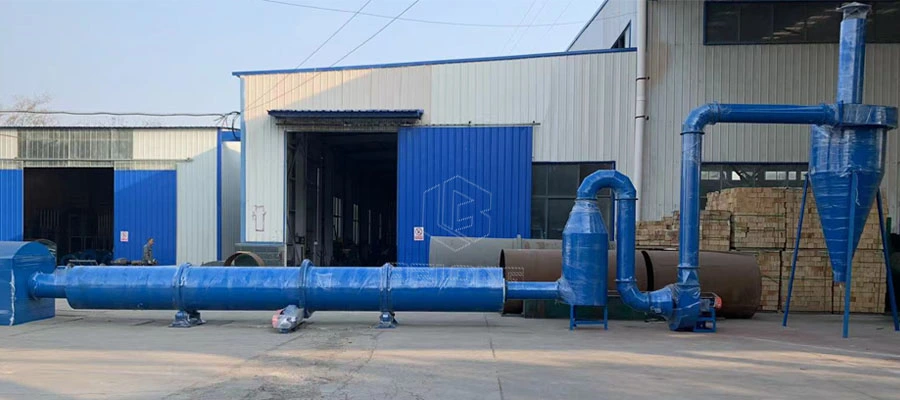
We know that there are two types of dryers. One is a Drum Dryer, and the other is an Air Flow Dryer. How should we choose?
If the humidity of your raw materials is high, above 50-70%, and the production demand is also high, then you need a drum dryer. If it is a small charcoal production plant or wood pellet factory, it is recommended to use an air flow dryer.
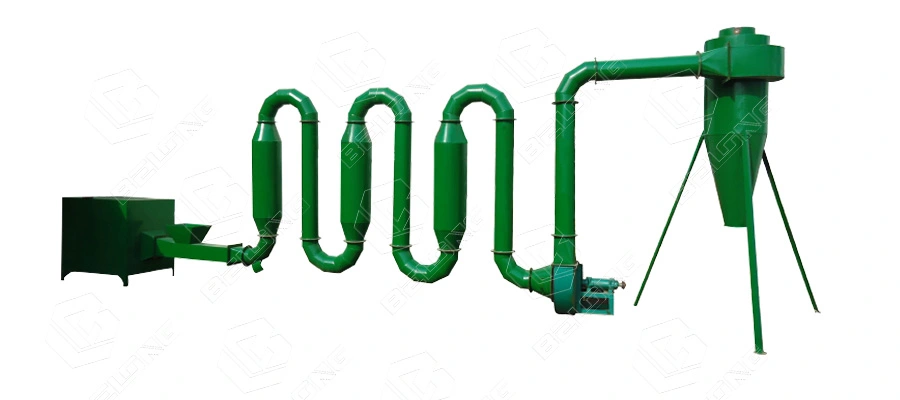
Air Flow Dryer
Rotary Drum Dryer
Carbonization Furnace
(See Part 1 for details)
The above are various auxiliary equipment that will be used in different charcoal production lines. Customers can make reasonable choices based on their actual situation.